Securing Your Small Business: A 2026 Strategic Roadmap
Implementing Framework-Driven Resilience for Modern SMBs
SECONDS
In the “Year of the Evasive Adversary,” the window between initial access and a secondary handoff has collapsed to just 22 seconds. Automated scripts now verify connections and initiate ransomware encryption at machine speed, rendering traditional human-only defense models obsolete.
Reference: (Source: Mandiant M-Trends 2026 Report)
MINUTES
The average “breakout time”—the duration it takes for a threat actor to move from a single compromised device to other systems on your network—is now 29 minutes. This 65% increase in speed from 2024 is driven by AI-enabled reconnaissance and automated credential harvesting. Advanced settings.
Reference: (Source: CrowdStrike 2026 Global Threat Report)
%
IDENTITY
While software exploits make headlines, 82% of organizational breaches are now rooted in compromised identities. Threat actors are increasingly bypassing technical firewalls by using stolen, valid credentials and AI-generated social engineering to walk through the front door.
Reference: (Source: 2025 Verizon DBIR / SentinelOne 2026 Forecast)
The 4 C’s: Why Small Businesses Struggle With Cybersecurity
Culture
Company culture sets the tone for everything. If leadership doesn’t model security, prioritize it, or fund it, nothing else matters.
In SMBs:
– “We’re too small to be targeted.”
– “Security slows us down.”
– “Cybersecurity tools are vendor‑driven, “fear‑based” sales tactic
Culture is the root cause.
Convenience
Once culture is weak, people default to whatever is easiest.
Convenience drives shortcuts, risky behavior, and workarounds.
In SMBs:
– Shared login IDs
– Skipping MFA
– Using personal devices
– Clicking without thinking
Convenience becomes the operating system.
Complacency
Complacency grows in environments where nothing “bad” has happened yet, or where incidents go unnoticed. People assume they’re safe because they haven’t experienced any visible consequences.
In SMBs:
– “We’ve never been hacked.”
– “IT would catch it.”
– “I know what phishing looks like.”
Complacency blinds people to real risk.
Constraints
Constraints (budget, time, staffing, tools) are real, but they become a significant risk multiplier when the first three C’s are already present.
In SMBs:
– Limited IT staff
– No budget for Cybersecurity tools
– Old systems
– No training time
Constraints do not cause failure alone, they amplify the other C’s.
Getting Started - The Way Forward
Adopting NIST Cyber Security Framework 2.0 as Your Strategic Foundation
Getting started with a robust cybersecurity strategy shouldn’t feel overwhelming. We utilize the NIST Cybersecurity Framework (CSF) 2.0 not as a single checklist, but as an overarching security methodology. For a small business, this framework acts as a Strategic Compass, ensuring that every security dollar spent is aligned with your most critical business risks.
By adopting NIST CSF 2.0 as your primary focus, you aren’t just “fixing IT”—you are building a resilient organization that speaks the same language as global industry leaders. This framework allows you to remain strategically aligned with other standards like HIPAA, PCI DSS, and CMMC 2.0 while maintaining a straightforward starting point.
The Technical Roadmap: Practical Controls to Secure Your Environment Today
While the NIST Framework provides our strategic direction, we use the CIS Critical Security Controls (v8.1) to drive our day-to-day technical execution. Think of NIST as the blueprints for your security, and CIS as the hammer and nails used to build it.
For small companies, we focus on CIS Implementation Group 1 (IG1)—a prioritized set of safeguards designed specifically for organizations with limited resources. These “Essential Cyber Hygiene” steps are proven to stop the vast majority of common cyberattacks before they ever reach your network.

Take control of your security
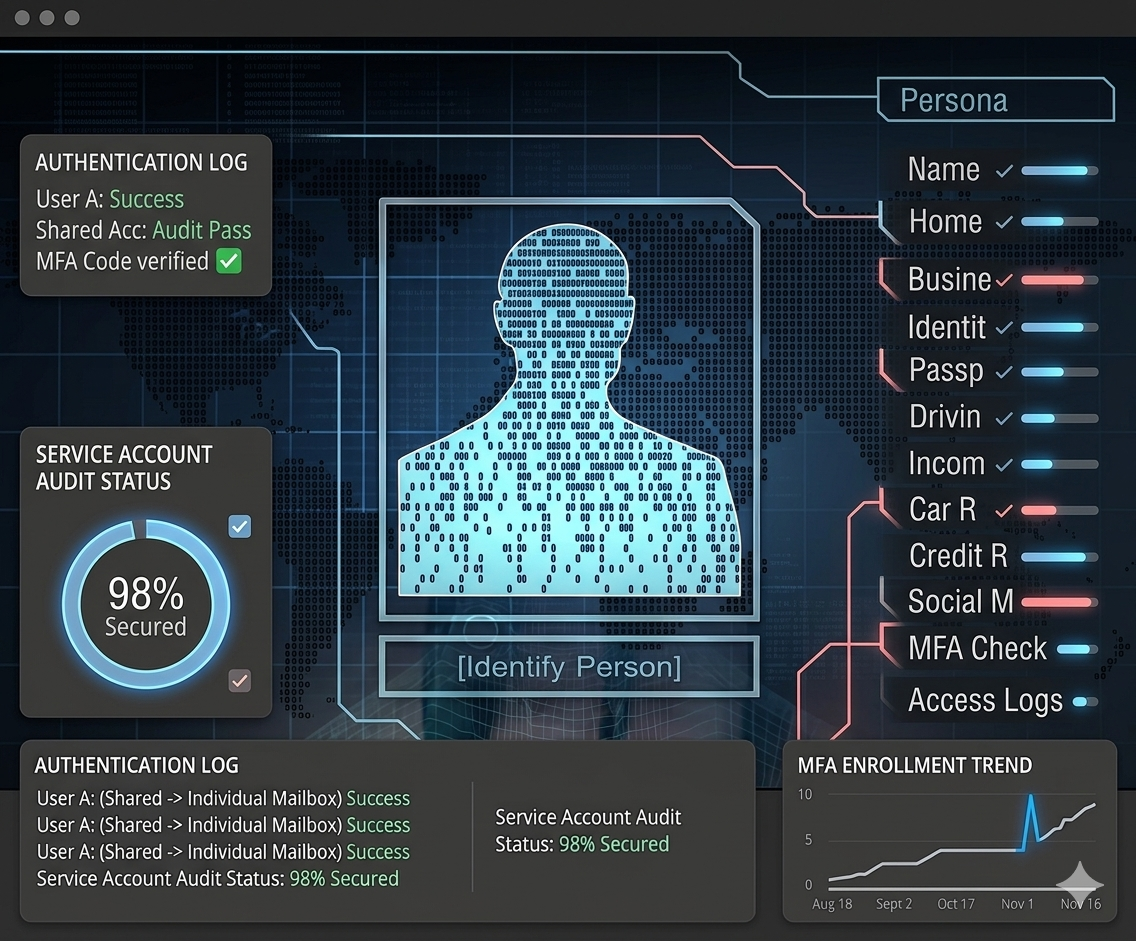
Administrator Accounts
The keys to the kingdom require the highest care. By limiting ‘Always-On’ administrative access and using dedicated accounts for high-risk tasks, we ensure that a single mistake doesn’t become a total system compromise.

Backup Strategy
Technology is predictable; disasters are not. Our backup strategy is our digital insurance policy, ensuring that even in the face of hardware failure or ransomware, our organizational memory remains intact and recoverable.
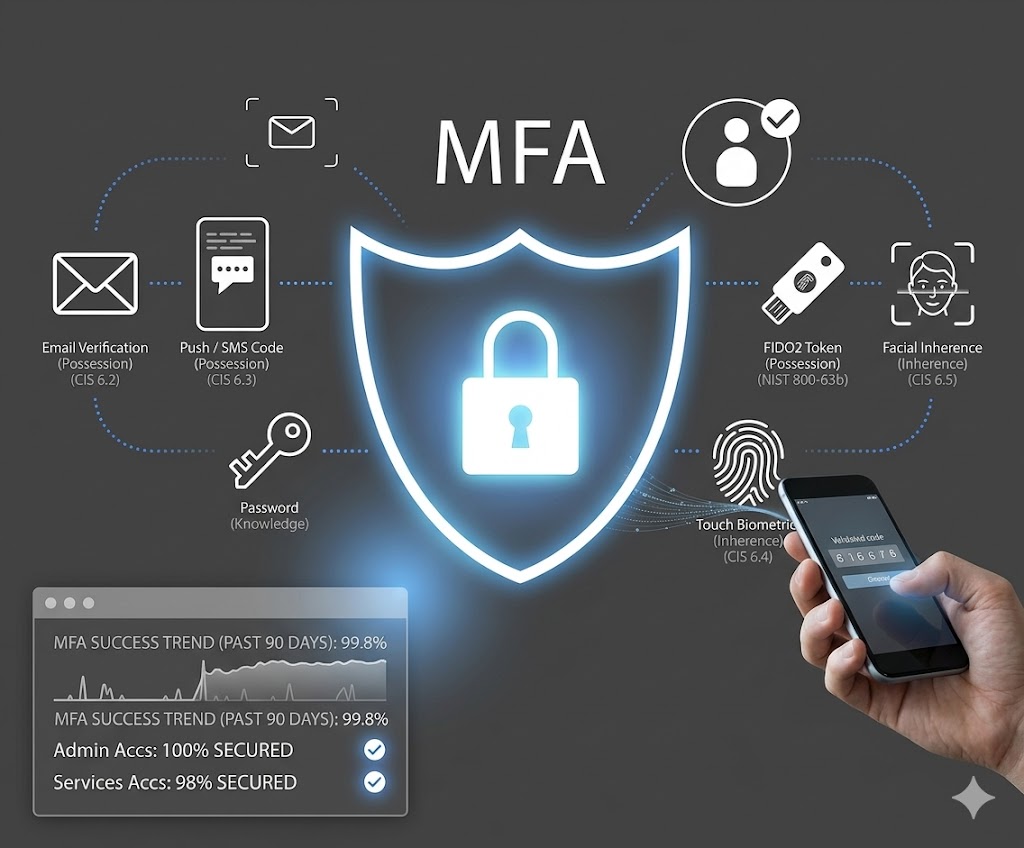
Passwords and Multi-Factor Authentication
Password length is the new strength. By moving from complex passwords to memorable passphrases, and backing them with multi-factor authentication, we turn our most common entry point into our most unyielding barrier.
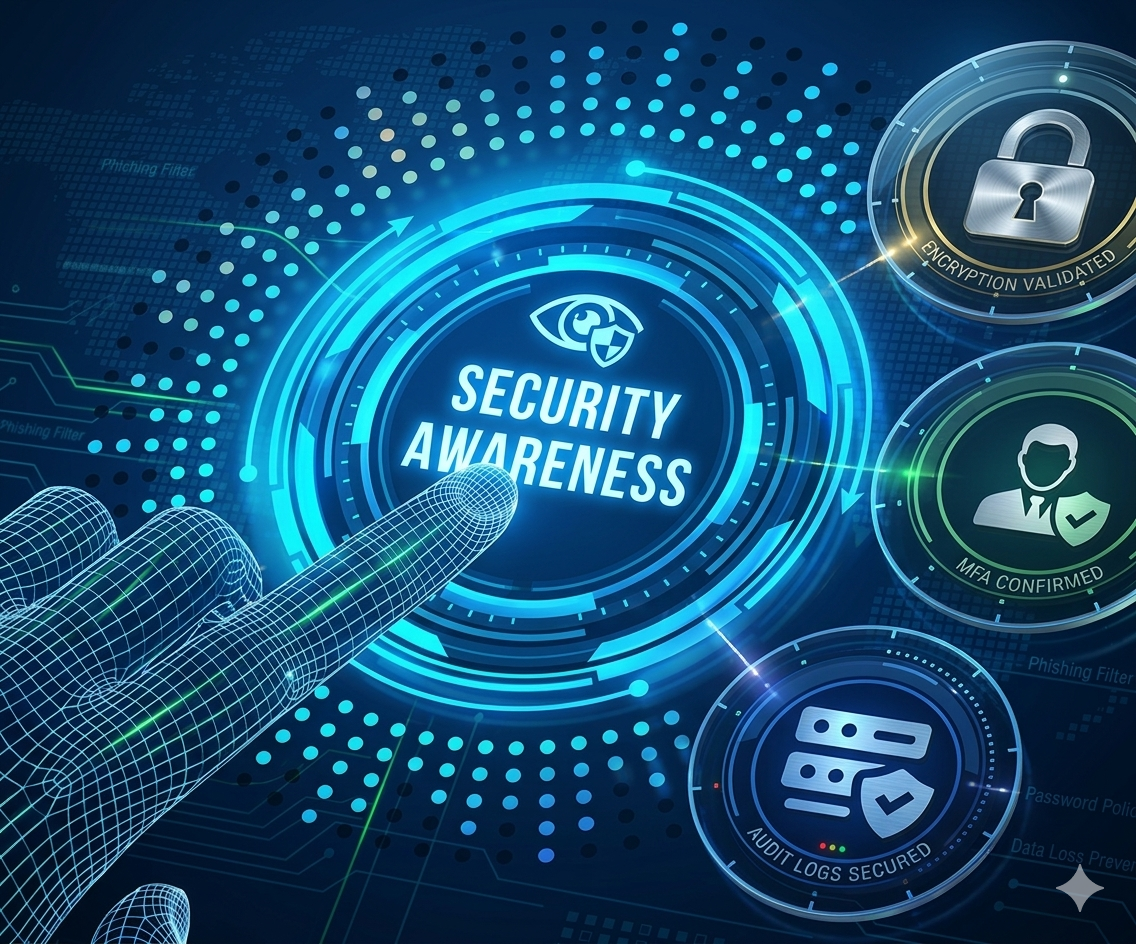
Awareness
Security is a team sport. Tools and software are only as effective as the people who use them. This is where we transform individual ‘clicks’ into a collective culture of vigilance, protecting our mission and each other.